
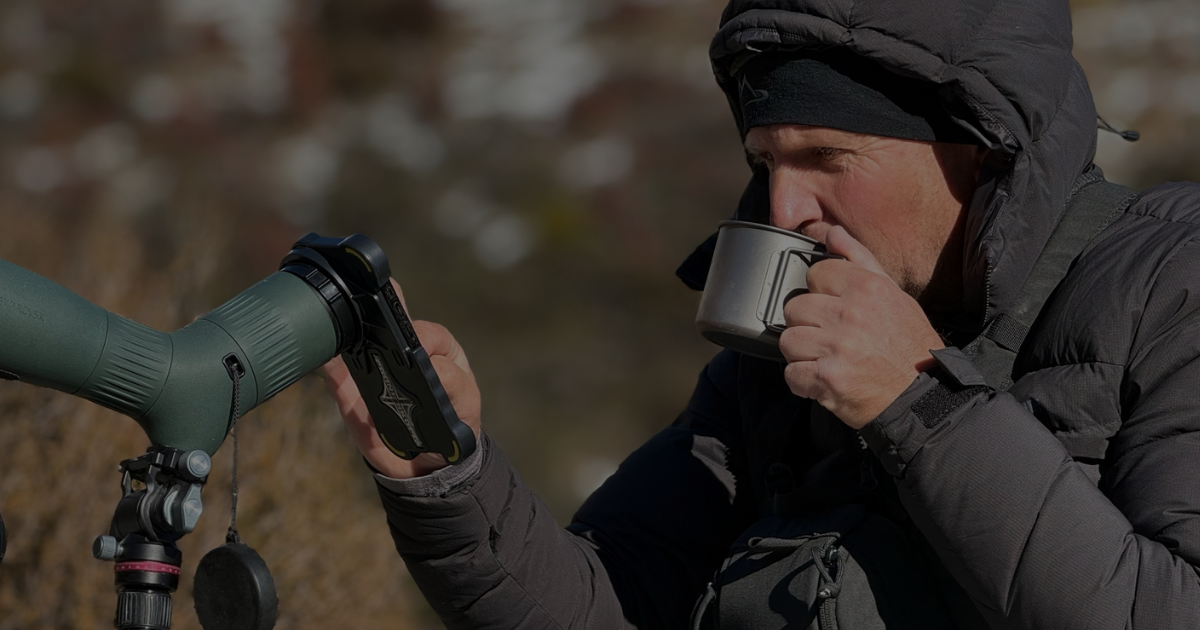
Winter Hunting Tips for NZ Hunters
Winter is when the New Zealand backcountry shows its real character. Frosty starts, short days, and weather that can turn from clear to closed-in inside an hour. It's also, for a lot of hunters, the best time of year to be out there - quieter country, easier tracking in fresh snow, and animals patterned to predictable feed. Here's how to layer, plan, and stay safe when the mercury drops.
1. Layer for Wet Cold, Not Dry Cold
NZ winter conditions are rarely a stable dry freeze the way parts of the Southern Alps might suggest from a distance. Most of the time you're dealing with damp, wind-driven cold - the kind that finds its way through undersorted gear and pulls your core temperature down fast.
A Nuyarn® Merino base layer manages moisture next to skin, a merino mid layer like the HTM 145 hoodie holds warmth without bulk, and a genuine waterproof shell or insulated piece like the Ranger Down Puffer handles the wind and wet on top. Add or shed the mid layer as you climb and stop - it's far more effective than one heavy jacket doing all the work.
2. Keep your boots dry!
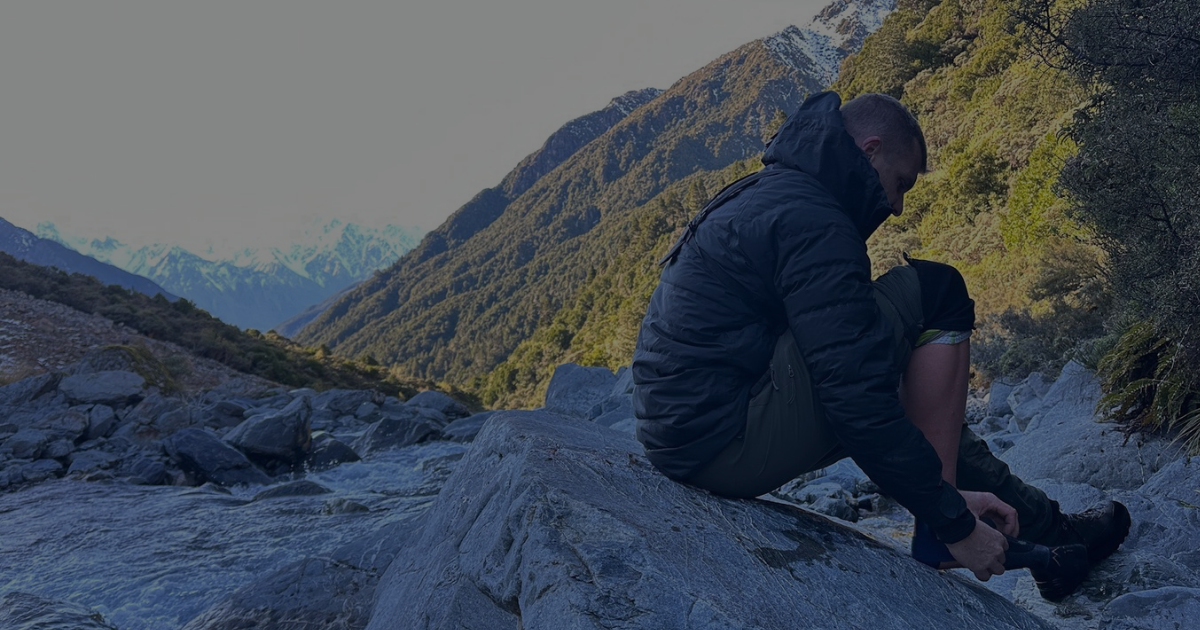
Wet boots won’t dry in winter. Once soaked they can remain damp for the duration of your trip, leaving your feet cold and uncomfortable for the rest of your trip. Wet cold boots can quickly lead to blisters or even frostbrite and make it difficult to walk. Avoid river crossings where possible and if you do have to venture in then remove your boots for the icy plunge as you make your way across. And always take extra socks so you have a warm pair to put on at camp.
3. Start Later, Finish Earlier
Winter daylight in the high country can run as short as nine hours - first light well after 7am, last light before 5:30pm in a lot of South Island hunting ground. That's a tight window, and it closes faster than it feels like it will.
Plan routes and turnaround times around the daylight you've actually got, not the daylight you'd get in summer. Carry a reliable headlamp on every trip regardless of how short it looks on paper - a delay on the way out is a very differentproblem in winter dark than summer dusk.

4. Watch the Weather Windows
Winter weather in NZ's hunting country changes fast, and a clear frosty morning can close in by midday. Check the forecast the night before and again first thing, and build in a margin - if a front is due mid-afternoon, plan to be back before it, not racing it out.
Rivers behave differently in winter too. Snowmelt on a warm afternoon can lift a crossing that was easy at dawn. If you're relying on a crossing to get home, check it both ways before you commit to the day's route.
5. Keep Extremities Covered
Heat loss through hands, feet, and head is disproportionate in cold, wet conditions - and cold hands make basic tasks like working a zip or a rifle bolt slower and harder right when you need them to work. Merino socks, a beanie that actually covers the ears, and gloves you can still shoot in are worth the extra weight in the pack.
6. Eat and Drink Even When You Don't Feel Like It
Cold suppresses thirst the same way heat kills appetite - it's easy to under-fuel on a winter hunt without noticing. Your body burns more energy just maintaining core temperature in the cold, so keep eating and drinking on a schedule rather than waiting to feel like it. A hot drink at a break does double duty: fuel and a genuine warm-up.
7. Know the Signs of Hypothermia
Uncontrollable shivering, fumbling hands, slurred speech, and confusion or poor decision-making are the early warning signs - and confusion is the dangerous one, because it affects the exact judgement you need to respond correctly.
If you or a hunting partner shows these signs: stop, get dry and insulated layers on, get out of the wind, and warm up before continuing. Don't push on and don't wait for it to pass on its own - it won't.
Quick Winter Hunting Gear List
-
Nuyarn® Merino base layer (top and bottom)
-
Merino mid layer - e.g. HTM 145 Nuyarn® Merino Hunting Hoodie
-
Waterproof shell or insulated jacket - e.g. Ranger Down Puffer
-
Merino socks and spare pair
-
Reliable headlamp with spare batteries
-
PLB (Personal Locator Beacon)
-
Hot drink / thermos and high-energy snacks
Winter Rewards Preparation
The backcountry doesn't get easier in winter - it gets more honest about what your gear and your planning are actually made of. Layer properly, respect the shorter days, and watch the weather windows, and winter can be some of the best hunting of the year.
For the full breakdown on building a layering system that handles NZ conditions year-round, see our hunting layering system guide, and if you're planning a solo winter mission, our guide to staying safe hunting alone is worth a read before you head out.

Leave a comment
This site is protected by hCaptcha and the hCaptcha Privacy Policy and Terms of Service apply.