How to Build a Hunting Layering System for NZ Conditions
Most gear failures in the New Zealand backcountry aren't caused by bad products. They're caused by the wrong system. A single heavy jacket won't save you when you're sweating hard on a climb and then sitting exposed in a cold southerly change. One breathable shell won't keep you warm at camp after a wet pack-out.
What works out here is a layering system - clothing that manages moisture, regulates temperature, and handles the full swing of a NZ day, from the frosty pre-dawn start to the hard sweat on the tops and back down again in the rain.
This guide covers how to build that system, why each layer matters, and what Main Divide makes for each role.
Why NZ Conditions Demand a Proper System
New Zealand weather doesn't follow a script. A Canterbury high-country day can start at zero degrees, warm to 15°C on a sunny face, and turn into driven rain and wind by afternoon. In Fiordland or the West Coast, sustained rain is simply the baseline.
The result is a unique clothing challenge: you need to manage sweat on hard climbs, retain warmth when you stop moving, and handle real precipitation - often all in the same day. Gear designed for dry-cold alpine environments (North America, Scandinavia) doesn't account for NZ's humidity. Gear designed for wet climates often traps moisture on active hunts.
A well-built layering system solves this by giving each layer a specific job - and letting you add or remove layers as conditions shift.
The Three Layers - and What Each One Does
Layer 1 - The Base Layer: Move Moisture Away From Your Skin
The base layer is the most important layer in the system. It sits against your skin and its only job is to move moisture away from your body as fast as possible. Get this wrong and every other layer suffers - a wet base layer chills you on rest stops and stays cold no matter how much insulation is on top.
Cotton fails here completely - it absorbs moisture and holds it. Synthetics wick but don't thermoregulate and build odour fast on multi-day trips. Performance merino is the right material for NZ hunting, and not all merino is equal.
Main Divide HTM 120 Nuyarn® Merino Men's Long Sleeve Crew
At 120gsm, the HTM 120 is Main Divide's lightweight base layer built for active hunting. It uses Nuyarn® Merino technology - a New Zealand-developed spinning method that wraps merino fibres around a nylon filament without compressing them. The result is a yarn with significantly more loft, better moisture transfer, and faster drying than conventional ring-spun merino.
In practice: you sweat hard on the climb, the HTM 120 moves that moisture out, and you don't get the chill-down that comes with a damp conventional merino base. Naturally odour-resistant, so it stays fresh across multiple days in the field.
Best for: active hunting, hard climbs, warm-season use, multi-day missions. Works as a standalone in mild conditions.
Available in: men's and women's cuts, in black, grey, and forest green.

Layer 2 - The Mid Layer: Regulate Temperature and Retain Warmth
The mid layer's job is insulation - trapping warm air close to your body when you stop moving and the temperature drops. It also needs to breathe well during moderate activity, and ideally work as a standalone in mild-cool conditions so you're not forced to add an outer layer every time there's a bit of wind.
Fleece is the traditional mid layer choice, but it's noisy and picks up scent. Performance merino at a higher weight gives you warmth, breathability, and the silence that matters when you're working a stag.
Main Divide HTM 145 Nuyarn® Merino Men's Long Sleeve Hunting Hoodie
At 145gsm, the HTM 145 Hoodie sits between a lightweight base and a heavy insulating layer - warm enough to work as a mid layer in cold conditions, breathable enough to wear as a standalone on a cool morning's stalk. The hood adds a layer of versatility: neck and head coverage without adding a separate piece of kit.
Built with the same Nuyarn® technology as the HTM 120, so moisture management carries through the system. Critically, it's silent fabric - no synthetic swish when you're closing the distance on an animal.
Best for: mid-layer insulation over the HTM 120, standalone use in shoulder-season conditions, early morning glassing sessions, and cold camp evenings.
Available in: men's and women's cuts, cool grey, forest green, and black.

Layer 3 - The Outer Layer: Block the Elements, Keep the System Working
The outer layer's job is to block wind, resist precipitation, and protect the insulation underneath - without trapping the moisture that the base and mid layers are working to move outward. In NZ conditions, this usually means dealing with cold and wet at the same time.
A waterproof shell is the traditional choice for a full outer layer. But in NZ's backcountry, there are plenty of conditions - cold, still, damp - where a treated down puffer does the job better by providing serious warmth without bulk, while still handling light moisture.
Main Divide Ranger Down Puffer Jacket
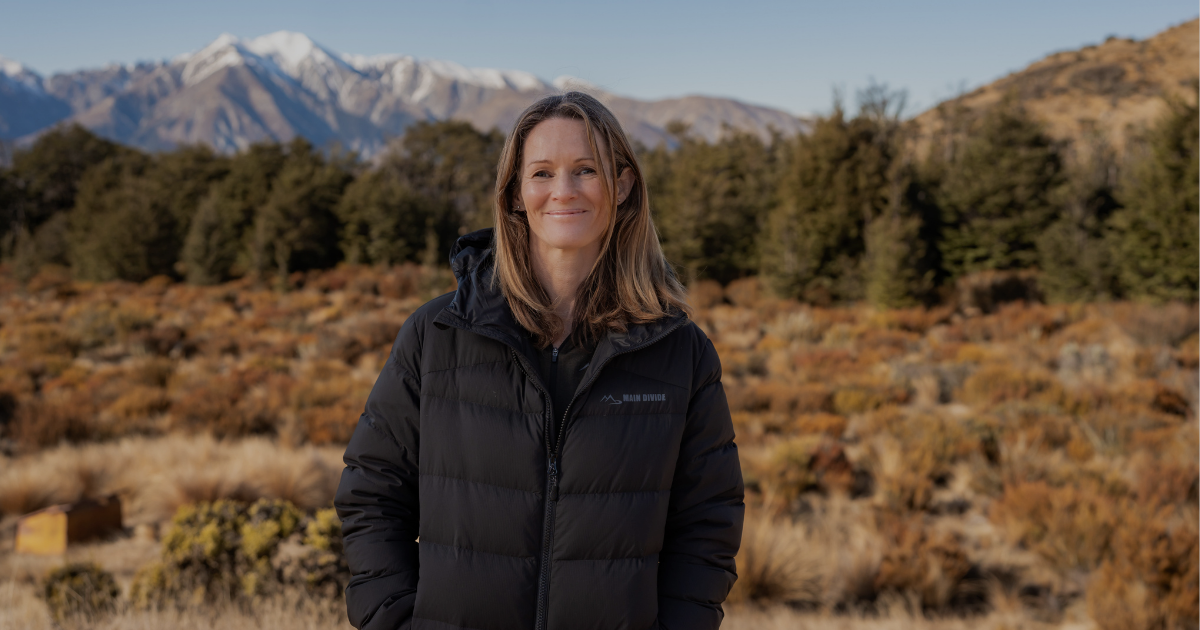
The Ranger Down Puffer uses 850 fill power goose down - a high fill power rating that means maximum warmth for minimum weight - treated with DownTek® water-repellant technology. DownTek® treatment allows down clusters to repel moisture rather than absorbing it, maintaining loft and warmth in the damp conditions that untreated down handles poorly.
The shell is a DWR-coated 6.6 ripstop nylon - lightweight, tough, and resistant to light rain and condensation. It compresses down small enough to live in the top of your pack without sacrificing space for the rest of your gear.
Best for: cold-damp conditions, camp use, cold stops on exposed tops, early season alpine hunting, and as a high-warmth outer over the full merino system.
Note: Currently available in men's. For sustained heavy rain, pair with a waterproof shell layer over the top.

How the System Works Together
The logic of a layering system is simple: each layer handles one part of the problem, and the combination covers everything.
- HTM 120 base layer moves sweat away from skin on hard climbs
- HTM 145 hoodie traps warm air when activity drops, adds breathable insulation
- Ranger Down Puffer blocks cold and light moisture as conditions deteriorate
On a hard day in the hills you might start with just the HTM 120, add the HTM 145 hoodie on a cold ridge or during a sit-and-glass session, and pull the Ranger Down Puffer on at camp or if the temperature drops sharply. The system adapts to the hunt rather than locking you into one static combination.
The key is that all three layers are built to work together - the Nuyarn® Merino base and mid layers manage moisture efficiently enough that the outer layer isn't fighting against trapped sweat.
Choosing the Right Combination for Your Hunt
Summer / warm-season bush hunting:
HTM 120 as standalone, Ranger Down in the pack for cold camp nights. Keep the 145 hoodie home.
Shoulder season (autumn roar / early winter):
HTM 120 base + HTM 145 hoodie. Add Ranger Down Puffer for morning starts and glassing sessions in the cold. This combination covers most of the roar season across the South Island high country.
Cold-weather / alpine tahr hunting:
Full system - HTM 120 + HTM 145 + Ranger Down Puffer, with a waterproof shell over the top in sustained precipitation. Pack weight stays manageable because the Nuyarn® layers are lightweight, and the down compresses small.
Multi-day backcountry trips:
The odour resistance of Nuyarn® Merino means you're not carrying multiple base layers for a five-day mission. One HTM 120 and one HTM 145 hoodie will hold up across the trip.
Frequently Asked Questions
What layers do I need for NZ backcountry hunting?
A three-layer system: a moisture-wicking merino base layer, an insulating mid layer, and a wind/weather-resistant outer layer. For NZ conditions, Nuyarn® Merino performs better than standard merino because it dries faster and retains loft when damp.
What weight merino base layer is best for NZ hunting?
120gsm is best for active hunting, hard climbs, and warm-season use. 145gsm works well as a mid layer or in cooler conditions. For most NZ hunters a 120gsm base with a 145gsm hoodie mid layer covers the majority of conditions from autumn through winter.
Is merino or synthetic better for hunting base layers?
Merino outperforms synthetic for multi-day NZ hunts because it resists odour naturally, thermoregulates across a wider temperature range, and stays comfortable when slightly damp. Nuyarn® Merino also dries significantly faster than traditional ring-spun merino, closing the gap on synthetic’s main advantage.
Can I use a down jacket as an outer layer when hunting in NZ?
A treated down jacket – like the Ranger Down Puffer, which uses DownTek® water-repellant treatment – works well as an outer insulation layer in NZ’s cold-damp conditions. It maintains loft and warmth better than untreated down in damp air. For sustained heavy rain, pair it with a waterproof shell over the top.

Leave a comment
This site is protected by hCaptcha and the hCaptcha Privacy Policy and Terms of Service apply.