Getting Your Kit Right for the Tahr Rut
The tahr rut is running right now. From mid-May through June and into July, mature bulls move down from the high country to join nanny groups - more accessible, more active during daylight, and carrying the full dark winter manes that make a rut-season bull the most sought-after trophy in the NZ alpine.
It is also some of the most unforgiving hunting you can do in this country. Snow, wind, sub-zero temperatures, and terrain that demands real fitness - the rut coincides with the onset of a Southern Alps winter. Getting your kit wrong doesn't just make for a miserable trip. In the high country in June, it becomes a safety issue.
This isn't a rundown of every piece of gear you need for a tahr hunt. It's focused on the clothing decisions that matter most - the ones that determine whether you can stay out long enough to find a good bull.
What Changes During the Rut - and Why It Matters for Clothing
For most of the year, mature tahr bulls are solitary, cautious, and occupy the highest, most exposed terrain. During the rut they descend - joining nanny groups at lower elevations where the hunting is more feasible on foot. This rut window runs from late May through mid-July, with bulls at their most active and visible in the peak weeks of June.
The trade-off is timing. You're hunting in winter. The Southern Alps in June mean overnight temperatures well below zero on the tops, snow on many north-facing faces above 1500m, and the kind of sustained westerly weather that the West Coast and Fiordland are famous for. Even in Canterbury's more stable high country, cold snaps and sudden wind changes are the rule, not the exception.
The physical demands of a rut hunt are also specific. You'll be covering serious ground - long glassing sessions on cold ridges, hard climbs to cut the angle on a moving bull, and the kind of slow, careful stalks across exposed faces where stopping and starting means constant temperature swings. Your clothing needs to handle the full range of that in a single day.
The Sweat-Freeze Problem
The single biggest clothing failure on a tahr hunt isn't staying warm at camp. It's managing the transition from hard physical work to a cold static position - and back again.
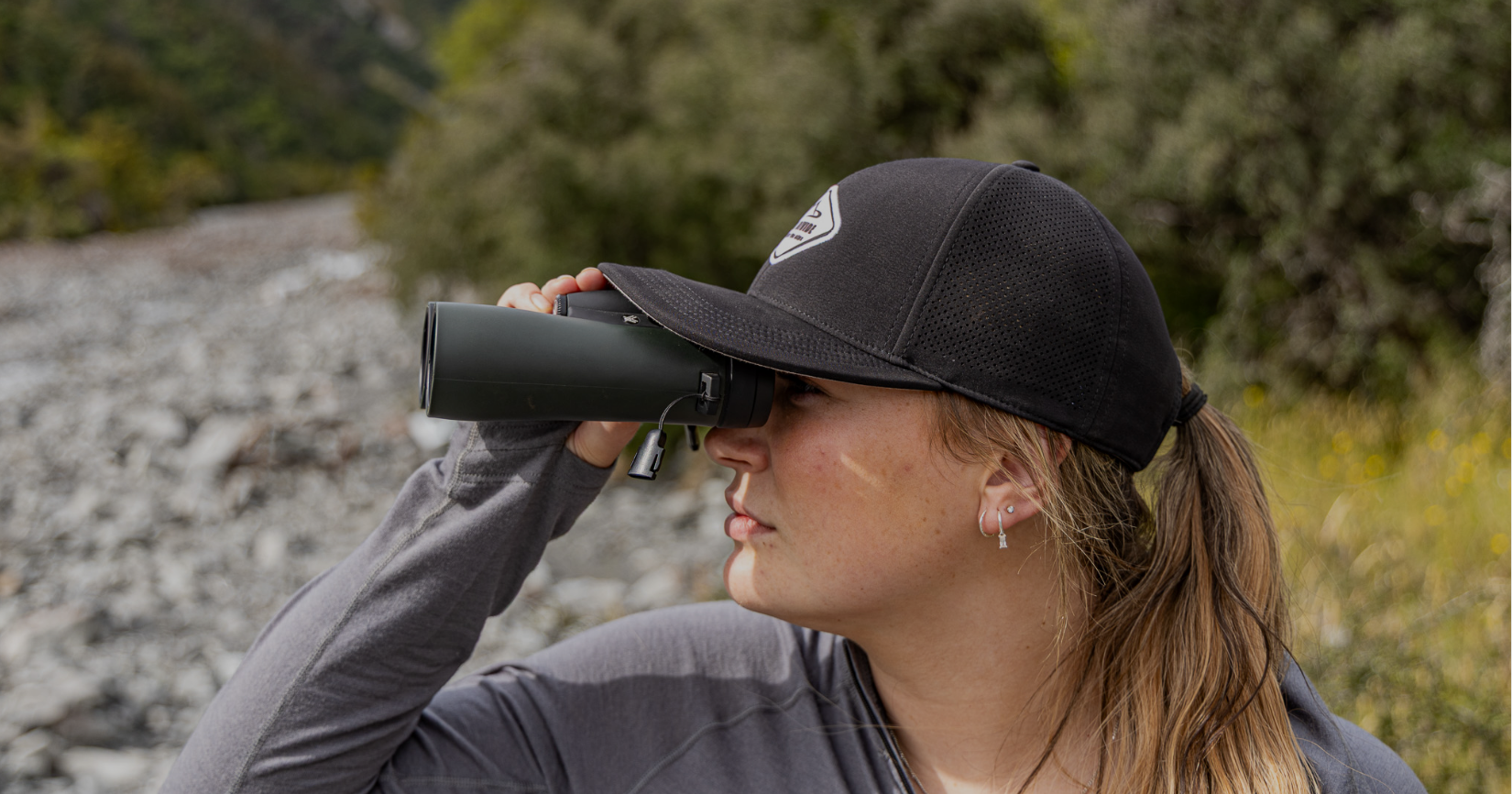
You climb hard to reach a glassing point, sweating through your base layer. You stop for an hour or two to work the faces with binoculars. The wind picks up. Now you're cold, and whatever moisture your base layer absorbed on the climb is sitting against your skin.
This cycle repeats throughout a tahr hunt. If your base layer can't move moisture fast enough and dry quickly enough, you're cold every time you stop - and on a June day in the Southern Alps, being wet and cold is a serious problem, not just an inconvenience.
This is precisely where Nuyarn® Merino makes a measurable difference over both conventional merino and synthetic base layers. The twist-free spinning process preserves loft in the yarn, which drives faster moisture transfer and significantly quicker dry times compared to ring-spun merino. You're not sitting in damp fabric while you glass.
The Kit - What to Pack and Why
Base Layer: HTM 120 Nuyarn® Merino Long Sleeve Crew
The HTM 120 is the foundation. At 120gsm it's light enough for hard climbing without overheating, and the Nuyarn® construction gives it faster moisture transfer and drying than you'll get from a heavier conventional merino. It sits against skin, moves sweat out, and recovers quickly when you stop.
For a multi-day tahr trip - most serious rut hunts run three to five days minimum - the natural odour resistance of Nuyarn® merino means one base layer goes the distance without the weight of spares. In winter alpine conditions, pack weight is always a calculation.
Available in men's - black, grey, and forest green. View product.

Mid Layer: HTM 145 Nuyarn® Merino Hunting Hoodie
The HTM 145 hoodie is where the warmth lives in this system. At 145gsm it adds real insulation over the base layer - enough to sit out a long glassing session in cold wind without needing to pull on the puffer. Over the HTM 120 base, the combination manages a wide range of tahr hunting conditions from cold-but-stable to hard climbing.
The hood matters more on a tahr hunt than on almost any other NZ hunt. You're spending long periods stationary on exposed terrain - ridgelines, rocky bluffs, open faces. A hood that covers the neck and ears without a separate beanie simplifies the system and reduces the number of pieces you're managing in the wind.
Nuyarn® merino is a silent fabric. On a stalk across an open scree where a tahr bull's eyes are sharp and his ears are working, the absence of synthetic noise is a practical advantage.
Available in men's and women's cuts - cool grey, forest green, and black. View product.

Outer Insulation: Ranger Down Puffer Jacket
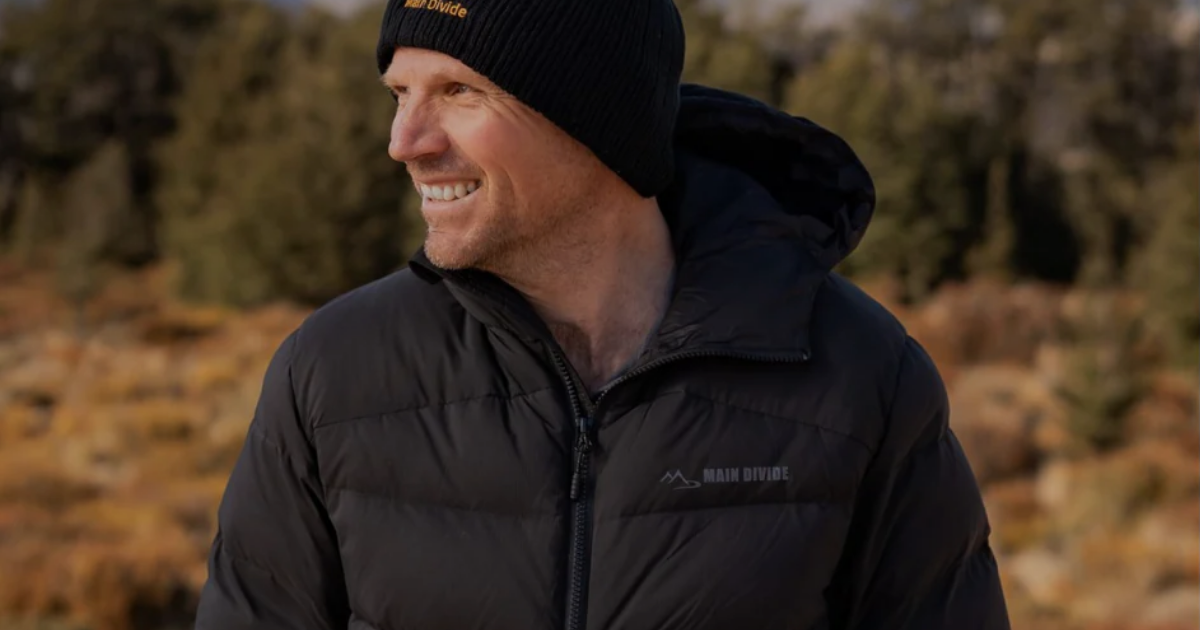
The Ranger Down Puffer is the piece that keeps you functional during long cold stops. It uses 850 fill power goose down - a high fill power rating that delivers maximum warmth for minimum pack weight - treated with DownTek® water-repellant technology.
DownTek® is the detail that matters for tahr rut conditions. Standard down absorbs moisture from damp air and precipitation, collapsing the clusters and losing loft - and warmth - fast. DownTek® treatment allows the down clusters to repel that moisture rather than absorbing it, so the jacket holds its warmth in the damp-cold conditions of a Southern Alps winter. The DWR-coated 6.6 ripstop nylon shell adds the outer layer of resistance.
On a tahr hunt, the Ranger Down Puffer lives in the top lid of your pack. You pull it on at every glassing stop, and strip it off before the climb begins. It compresses small enough to make this practical - it's not a jacket you're deciding whether to bother with. It's always within reach.
Note: Currently available in men's. For sustained heavy rain or snowmelt, add a waterproof shell over the top of the system. View product.

How the System Works in Rut Conditions
A typical rut day in the Southern Alps:
-
Pre-dawn start - cold camp, Ranger Down Puffer on over the full merino system
-
Climb to glassing point - strip back to HTM 120 base layer, Ranger Down and HTM 145 in the pack
-
Glassing session - HTM 145 hoodie on immediately, Ranger Down Puffer over the top within minutes of stopping
-
Stalk on a located bull - HTM 145 stays on if it's cold and calm, strip to base layer if the stalk is hard and steep
-
Cold wait for a shot opportunity - full system back on, Ranger Down Puffer is the difference between holding your position and having to move
The system works because each layer has a clear role and can be added or removed in seconds. The Nuyarn® merino base and mid layers manage moisture well enough that the outer layer isn't fighting trapped sweat. The Ranger Down's compressibility means it's always in reach rather than buried mid-pack.
What the Rut Conditions Demand That Other Hunts Don't
A few tahr-specific points worth noting before you head in:
-
Cold ground contact: Tahr hunting involves a lot of time on rock and snow - glassing prone, crawling on a stalk, kneeling for a shot. Down compresses under body weight and loses insulation where it's compressed. The Ranger Down's DWR shell helps, but be aware that your insulation is working hardest where it's being compressed least.
-
Wind at elevation: Nuyarn® merino has good inherent wind resistance for a fabric without a hard shell, but exposed ridgelines in a southerly are beyond any merino's wind-blocking ability. A windproof layer over the system is worth carrying on any exposed tahr hunt.
-
Multi-day sweat load: The odour resistance of Nuyarn® merino holds up across a five-day rut trip without washing. This matters when you're hunting animals with sharp senses in close terrain.
-
Pack weight compounds: Every gram you carry on a tahr hunt is felt by day three. The lightweight construction of the Nuyarn® layers and the compressibility of the Ranger Down are not incidental - they're the reason this system works for serious alpine hunting rather than just casual day trips.
Frequently Asked Questions
When is the tahr rut in New Zealand?
The NZ tahr rut runs from mid-May through late June and into July. Bulls join nanny groups during this period, making them more accessible and predictable than at any other time of year. This is also when bulls carry their full winter manes — the most prized trophy condition for a rut-season animal.
What clothing do I need for tahr hunting in NZ?
A Nuyarn® Merino base layer (120gsm) for moisture management on hard climbs, a 145gsm merino hoodie as an insulating mid layer, and a treated down puffer like the Ranger Down Puffer for cold stops and glassing sessions. Tahr rut conditions in May–July mean sub-zero temperatures, significant wind at elevation, and snow. Add a waterproof shell over the system for sustained precipitation.
Why is the tahr rut the best time to hunt bulls in NZ?
During the rut, mature bulls leave bachelor groups and descend to join nanny herds at lower, more accessible elevations. They're more active during daylight hours, more visible on open faces, and in their best trophy condition — full dark winter manes and their heaviest body weight of the year. The trade-off is hunting in winter conditions, which demands proper kit.
How physically demanding is tahr hunting in NZ?
It's among the most physically demanding hunting in New Zealand. Even during the rut when bulls are at lower elevations, you're hunting steep, rocky, sub-alpine terrain in winter conditions across multi-day trips. Clothing that manages sweat on climbs and provides warmth at cold stops is a safety consideration as much as a comfort one.

Leave a comment
This site is protected by hCaptcha and the hCaptcha Privacy Policy and Terms of Service apply.