
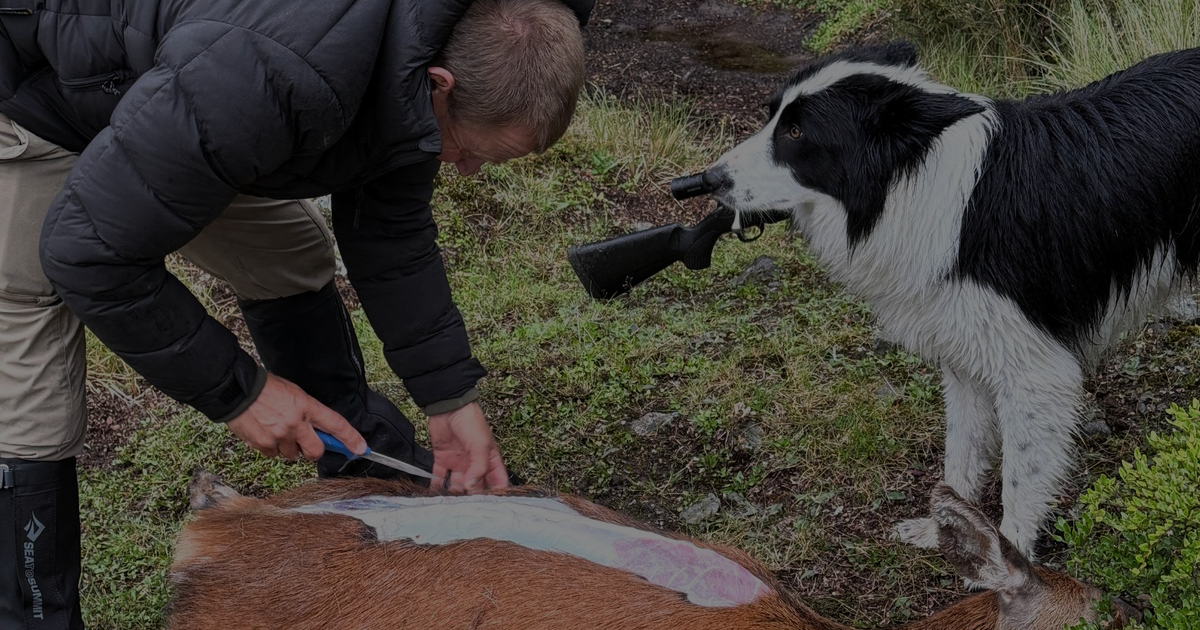
Spring Hunting in NZ: What to Wear When the Weather Can't Decide
Spring is the season Kiwi hunters don't talk about much. The roar gets the glory, the tahr rut gets the photos, and spring sits in between as the months when the weather can't make up its mind.
It's also some of the best meat hunting of the year, the bush edges are busy at dawn, and there's hardly anyone else out there. You just have to dress for a day that starts at minus two and finishes at twenty.
What's actually on in spring
September to November is quieter for trophies and better for the freezer.
- Red deer cast their antlers through August and September and come out of the bush onto the new grass at first and last light. They're in velvet, in poor condition after winter and keen to feed, which makes spring a classic meat-hunting window.
- Tahr and chamois can be hunted year-round, but their winter coats are on the way out by October. Spring is about the country and the meat, not the cape.
- Goats and pigs don't care what month it is.
- Fawning starts from late November, with the peak in early December. Most hunters we know ease right off hinds and does by mid-November. It's good practice and it keeps the herd healthy.
One practical note: a lot of farm access closes for lambing from August into October. Ask before you assume the gate's open.
The spring problem: four seasons before lunch
Spring in the Canterbury high country goes something like this. Hard frost at the truck. Sweating through your base layer on the first climb. Nor'wester picks up mid-morning and suddenly you're warm and dry. Cloud rolls over the Main Divide after lunch and it's sleeting. By the time you're back at the ute it's a lovely evening.
No single garment handles that. The system has to come apart and go back together fast, and every layer has to keep working when it's damp, because it will be.
What to wear: the spring layering system
Base layer: light merino, not heavy
The mistake in spring is dressing for the frost. You're cold for twenty minutes and sweating for three hours. Go light. The HTM 120 Nuyarn® Merino Crew is the right weight for a spring climb – it wicks hard when you're working, dries fast when you stop, and doesn't stink after three days. Thumb holes keep the sleeves put under a hoodie.
Mid layer: a merino hoodie you can wear on its own
For most of a spring day, a base layer and a hoodie is the whole outfit. The HTM 145 Nuyarn® Merino Hunting Hoodie does the job of a fleece at half the bulk, and the hood matters more than you'd think when the nor'wester gets up on an exposed face.
Insulation: the packable puffer
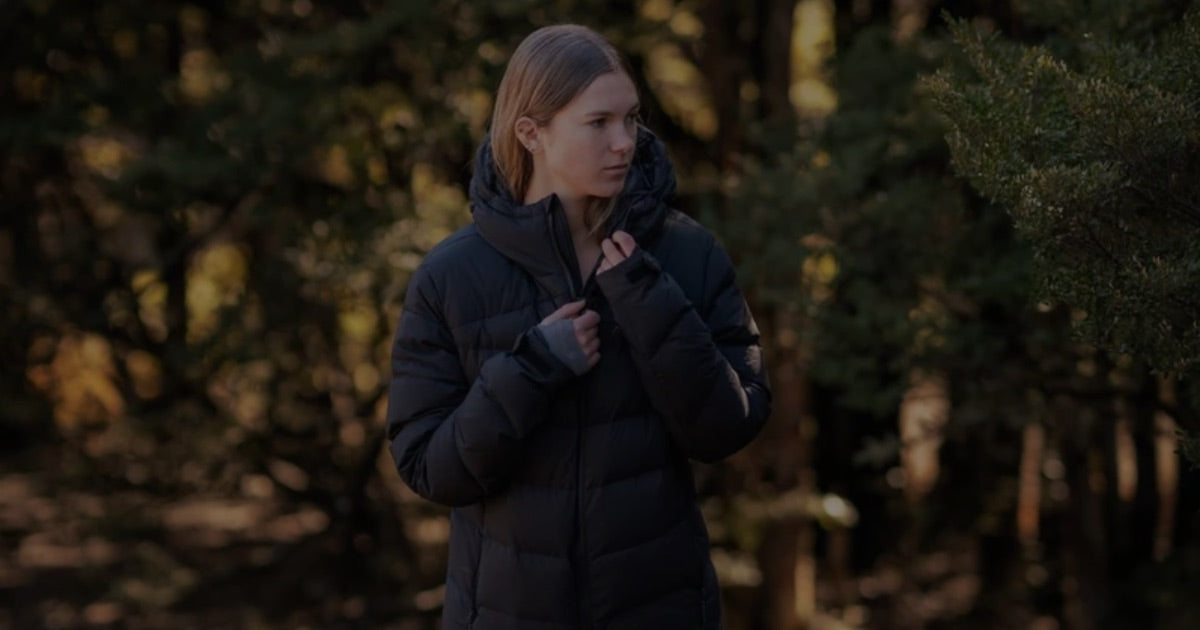
Spring mornings are still winter mornings at altitude. You'll leave the truck in the dark and sit glassing a bush edge while the frost is still on the tussock. That's puffer time. The Ranger Down Puffer goes on for the first hour and the last hour and lives at the top of the pack in between. At well under 700g it's not a hard decision to carry.
Spring is also when untreated down gets found out – damp air, wet tussock, sleet showers. The DownTek® treatment in the Ranger is built for exactly that, and we've covered why in The Ranger: Main Divide's Hunting Jacket for NZ's Cold, Damp Backcountry.
Shell: a proper waterproof, always in the pack
Nor'west rain is warm, heavy and sideways. A water-resistant jacket will wet out in twenty minutes. Carry a real shell, even on a bluebird forecast, and put it on before you're soaked rather than after.
Legs
Light, quick-drying pants. Shorts and gaiters if you run warm and the scrub allows. Wet-weather overtrousers only if the forecast is properly bad – in spring they're usually more weight than they're worth.
Feet
Snowmelt means every creek is higher and colder than it looks. Nuyarn® merino socks plus a spare pair in a dry bag is the minimum.
Spring-specific hazards
- Rivers. Snowmelt plus rain means crossings that were fine in April can be lethal in October. If it's over your knees and moving, find another way or wait.
- Nor'westers. They arrive fast and turn an easy ridge into a battle. Hood up, shell on, get off the tops.
- Late snow. Heavy spring dumps are normal above the bush line. Check avalanche advisories if you're going high.
- Cold after dark. The days feel warm; the nights don't. Don't let a twenty-degree afternoon talk you into leaving the puffer behind.
The usual rules apply – leave a plan, carry a PLB, and turn back when it feels wrong. Our solo hunting safety post covers the basics.
The spring kit, in one list
- HTM 120 Nuyarn® Merino Crew (men's) or Singlet (women's)
- HTM 145 Nuyarn® Merino Hunting Hoodie (men's or women's)
- Ranger Down Puffer Jacket
- Waterproof shell
- Light pants or shorts and gaiters
- Nuyarn® merino socks plus a spare pair
- Beanie and cap - you'll use both in one day
- PLB, headlamp, first-aid kit
Why we like spring
Long light. Animals on the edges. The hills to yourself. And a proper test of whether your gear works when it's damp at seven, hot at eleven and sleeting at two. Ours does, because that's the weather we built it in.
Frequently Asked Questions
What can you hunt in New Zealand in spring?
Spring (September to November) is mainly a meat-hunting season. Red deer come out of the bush onto new grass at dawn and dusk, stags are in velvet after casting antlers in August and September, and tahr, chamois, goats and pigs can be hunted year-round. Hinds and does start fawning from late November, so most hunters ease off by then.
What should I wear hunting in NZ in spring?
A light merino base layer, a merino hoodie or mid layer, a packable insulated jacket for glassing and early mornings, and a waterproof shell for nor'west rain. Spring swings from frost to 20 degrees in a day, so the system has to come off and go back on quickly.
Is spring a good time to hunt in New Zealand?
Yes, especially for meat and for learning new country. Longer days, animals out in the open at the bush edge, and fewer hunters than the roar. The trade-offs are unstable weather, snowmelt river crossings and lambing closures on farm access.
Do I need a puffer jacket for spring hunting?
Usually, yes. Mornings are still at or below freezing in the high country through October, and you'll be sitting still glassing when the animals move. A light, packable down jacket that stows in the top of the pack is the right tool.


Leave a comment
This site is protected by hCaptcha and the hCaptcha Privacy Policy and Terms of Service apply.