
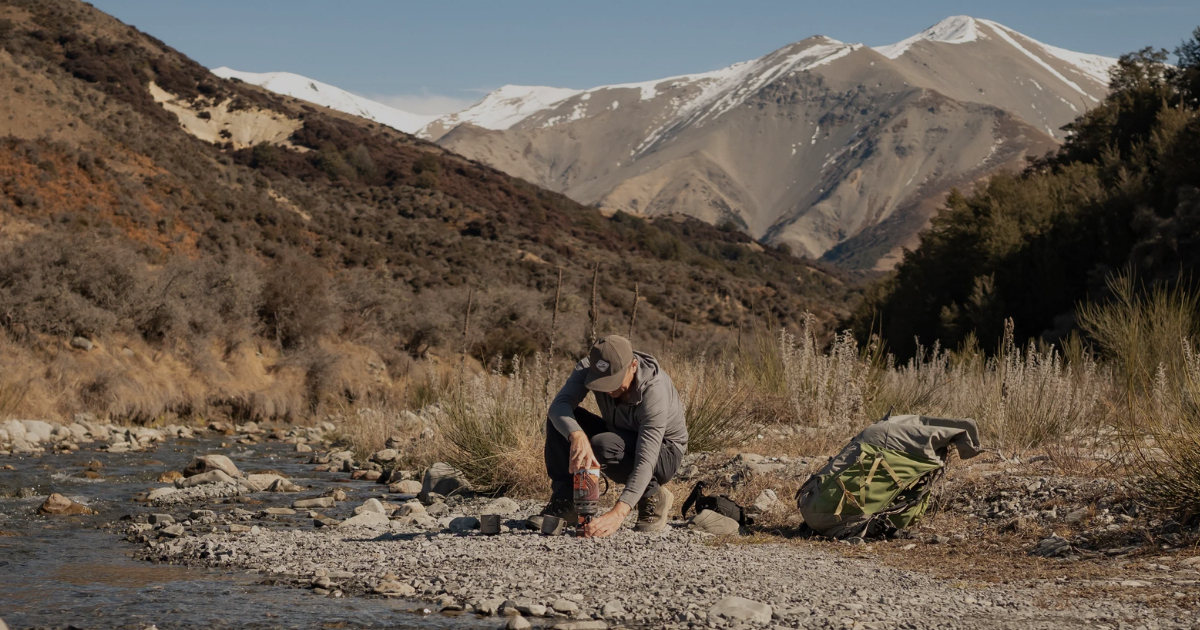
How to survive sandflies in New Zealand
How to survive sandflies in New Zealand (and still enjoy the hunt)
Let’s be honest - there’s not much to fault about the New Zealand outdoors. Epic landscapes, hard-earned hunting, world-class fishing… and then there are the sandflies.
They’re the unavoidable downside of spending time in some of the best hunting country in NZ. The good news? With a bit of knowledge and preparation, you don’t have to let sandflies ruin your hunt.
Get to know the enemy
Sandflies love water. If you’re hunting near rivers, lakes, streams, swamps, or damp bush, chances are they’ll be there too. They thrive in high humidity and are most active around dawn and dusk - which, unfortunately, lines up perfectly with prime hunting hours.
They’re attracted to:
-
Body heat
-
Dark clothing
-
Scents (including sweat)
In other words, they’re attracted to hunters.
Sandflies are tiny - usually only 2–3mm long - and completely silent. While the bites itch like hell, they’re otherwise harmless here in New Zealand. The one upside? They hate wind, rain, and direct sunlight, so not every condition works in their favour.
How to avoid becoming a walking buffet
Cover up early
As soon as we arrive at a spot to set up camp, we cover up. Long pants tucked into socks, long-sleeve tops, and if it’s cool enough, gloves and a hat. If you can, avoid dark clothing. Sandflies are experts at finding gaps, so ankles and wrists are usually the first places they’ll target.
Be smart with camp setup
Try not to pitch your tent right on the water’s edge. And once it’s set up, keep it zipped. There’s nothing worse than coming back from a long hunt, ready to crash, only to find your tent full of sandflies lining up for a midnight feed.
Keep moving
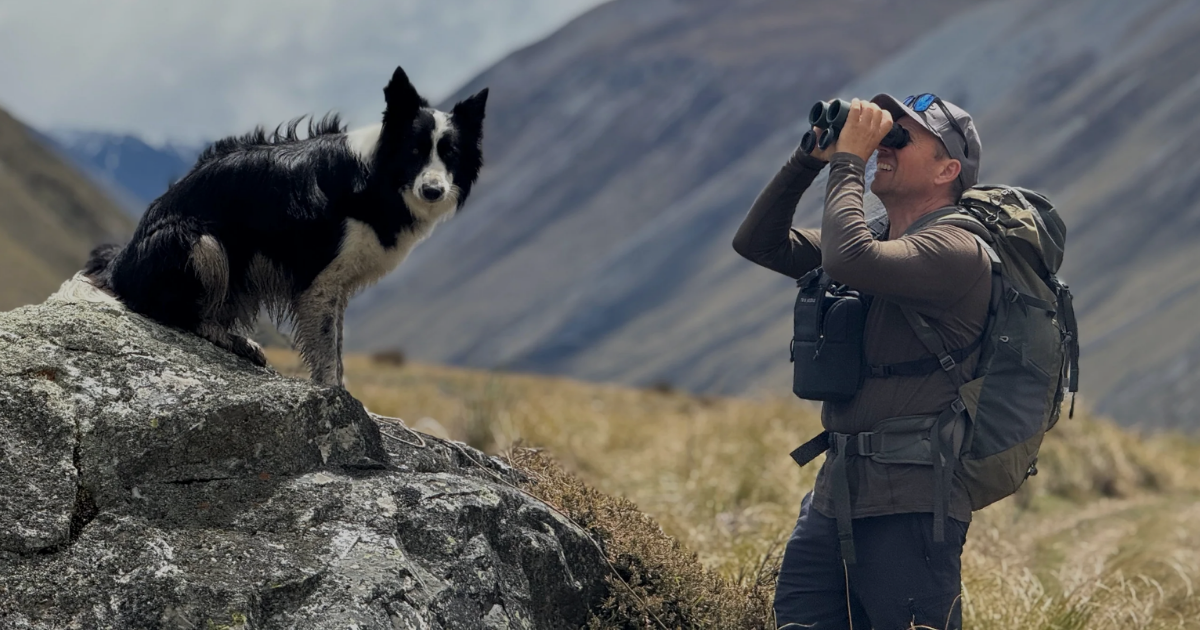
Sandflies are weak, slow flyers. If you’re on the move, they struggle to land. Standing still around camp or while glassing is when they’ll get you.
Protect your face
When they’re really thick - especially while fishing - a head net is a game changer. Keep your cap on and throw the net over the top to protect your face and ears. It might not look flash, but it works.
Use repellents
DEET is widely considered the most effective sandfly repellent in New Zealand, but it’s not the only option. Wristbands with replaceable inserts, natural sprays, and creams all work differently for different people. It pays to experiment and figure out what works best for you before your next trip.
Our take
From experience, the best defence against sandflies is simple: cover up early and don’t camp too close to the water. Do that, and sandflies go from trip-ruining pests to just another part of the NZ outdoors you know how to deal with.
After all, a few sandflies shouldn’t stop you from enjoying some of the best hunting country in the world.
%0ALet%E2%80%99s%20be%20honest%20-%20there%E2%80%99s%20not%20much%20to%20fault%20about%20the%20New%20Zealand%20outdoors.%20Epic%20landscapes,%20hard-earned%20hunting,%20world-class%20fish...)
Leave a comment
This site is protected by hCaptcha and the hCaptcha Privacy Policy and Terms of Service apply.